Evaluating Optimal Roof Orientation and Angles for Solar Panels in Ontario
While south was historically considered the best direction for solar panels in the Northern Hemisphere due to maximizing overall sunlight collection, the optimal direction is now more nuanced and depends on several factors. A turnkey installation requires a thorough evaluation of your property’s specific characteristics.
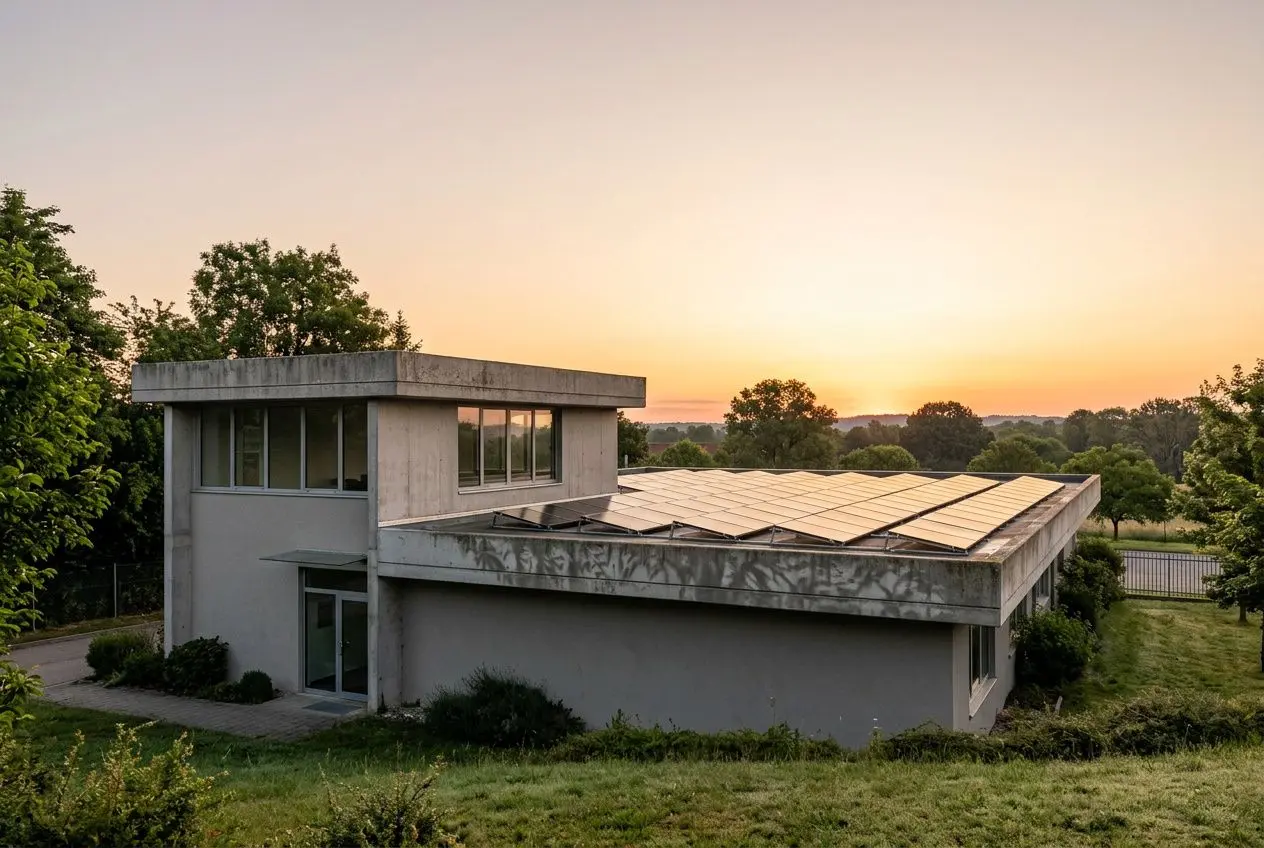
Home Orientation and Obstacles: Not all homes have a perfect south-facing roof. Obstacles like trees or other buildings can block direct sunlight, creating shading that makes a different orientation more effective. Even a less-than-optimal position can still produce significant power, though it might require more modules to offset the lower output. Home orientation and roof availability are primary constraints, but alternative directions can secure excellent energy savings.
Research confirms that physical angles matter. This study determines the optimal tilt angle and azimuth for photovoltaic panels in Ontario to maximize revenue, finding that tilts of 7–12° less than latitude and near-south azimuths are optimal. You can read more about the optimal solar panel direction in Ontario. For instance, in Toronto (latitude 44°N), the ideal tilt is between 32° and 35°, while in Ottawa (latitude 45°N), it ranges from 36° to 38°. To maximize production, you want your system to face true south with an azimuth closely aligned to these parameters.
How Electricity Rates and Net Metering Impact System Direction
Net Metering and Reimbursement: Through Ontario’s program, surplus energy generated by solar systems is fed back into the grid, earning credits that offset future energy use. South-facing setups retain an advantage here, as they produce the most energy around midday when household consumption is often lowest. This maximizes the amount of excess electricity sent back to the grid for reimbursement, accelerating your system payback period.
This page discusses how Ontario homeowners can benefit from solar energy systems, including considerations like roof orientation for optimal energy generation and available incentives, making it a useful resource for those exploring solar panel direction in Ontario. Local utility rules and regulations dictate these returns, shaping the overall viability of your clean energy transition.
Utility Rate Plans: This is a crucial modern factor. Previously, net-metered homeowners were automatically on a tiered rate plan, meaning they were reimbursed at a flat rate for all power sent back to the grid. However, homeowners now have choices in their utility rate plans, making system configuration highly strategic.
Time-of-Use (TOU) Rates and Strategic Energy Production
Time-of-Use (TOU) Rates: If you choose a TOU rate plan, the ideal panel direction might shift from due south. TOU rates charge different prices for electricity at different times of the day. By utilizing west-facing panels, you align your peak production with late afternoon and evening hours, which correspond to higher-priced peak times. Orienting panels to produce more power during these expensive windows, even if it means slightly less overall daily production in kWh, often leads to greater financial savings.
Strategic Savings: The decision is no longer solely about collecting the most sunlight; it is about collecting it to strategically offset high electricity bills. Whether you combine east and west orientations or focus on a single slope, this involves a calculation of your daily consumption patterns and utility structures. Protecting yourself against rising electricity rates ensures long-term cost stability.
Balancing Energy Tilt and Optimal Output with Quality Equipment
Once you determine the correct location on your property, the equipment itself dictates long-term performance. Extreme weather events across the province make durability non-negotiable. Panel efficiency refers to how effectively a solar panel converts winter and summer sun into usable electricity. Monocrystalline models are prized for residential applications because of their high efficiency and uniform appearance, especially when roof space is limited.
This article covers important factors when choosing solar panels, including efficiency, durability, certifications, warranties, and temperature coefficient. It explains the differences between monocrystalline, polycrystalline, and thin-film panels, and offers guidance for choosing reliable solar panels. Strong linear power warranties and CSA/UL certifications protect your investment from degradation over its 25-year lifespan.
The page discusses the general benefits of solar energy in Ontario, including cost stability, faster deployment, reduced grid pressure, community resilience, and empowerment for the energy transition, but does not specifically address the best solar panel direction or orientation. You can explore these broader solar energy benefits in Ontario to understand the macro impact of your installation.
In conclusion, while south remains a strong contender for maximizing total generation, the “best” setup is no longer a one-size-fits-all answer. You must evaluate your specific home’s orientation, potential shading obstacles, your chosen utility rate plan, and local regulations. At New Dawn Energy Solutions, we provide comprehensive guidance to help you navigate these variables. Let us assess your property and engineer a system that delivers reliable, clean power for decades to come.