This guide walks you through the key decisions behind commercial solar installation in Toronto, including system sizing, upfront cost, incentives, global adjustment savings, and long-term ROI for your commercial property.
Solar savings for commercial properties
Generating electricity on-site reduces the power a building buys from the Ontario grid. For many Toronto-area businesses, that change can lower annual electricity bills by 40 to 80 percent, depending on system size and consumption patterns. This is why solar for businesses remains a practical capital investment for owners planning beyond the next billing cycle.
Commercial solar cost and sizing
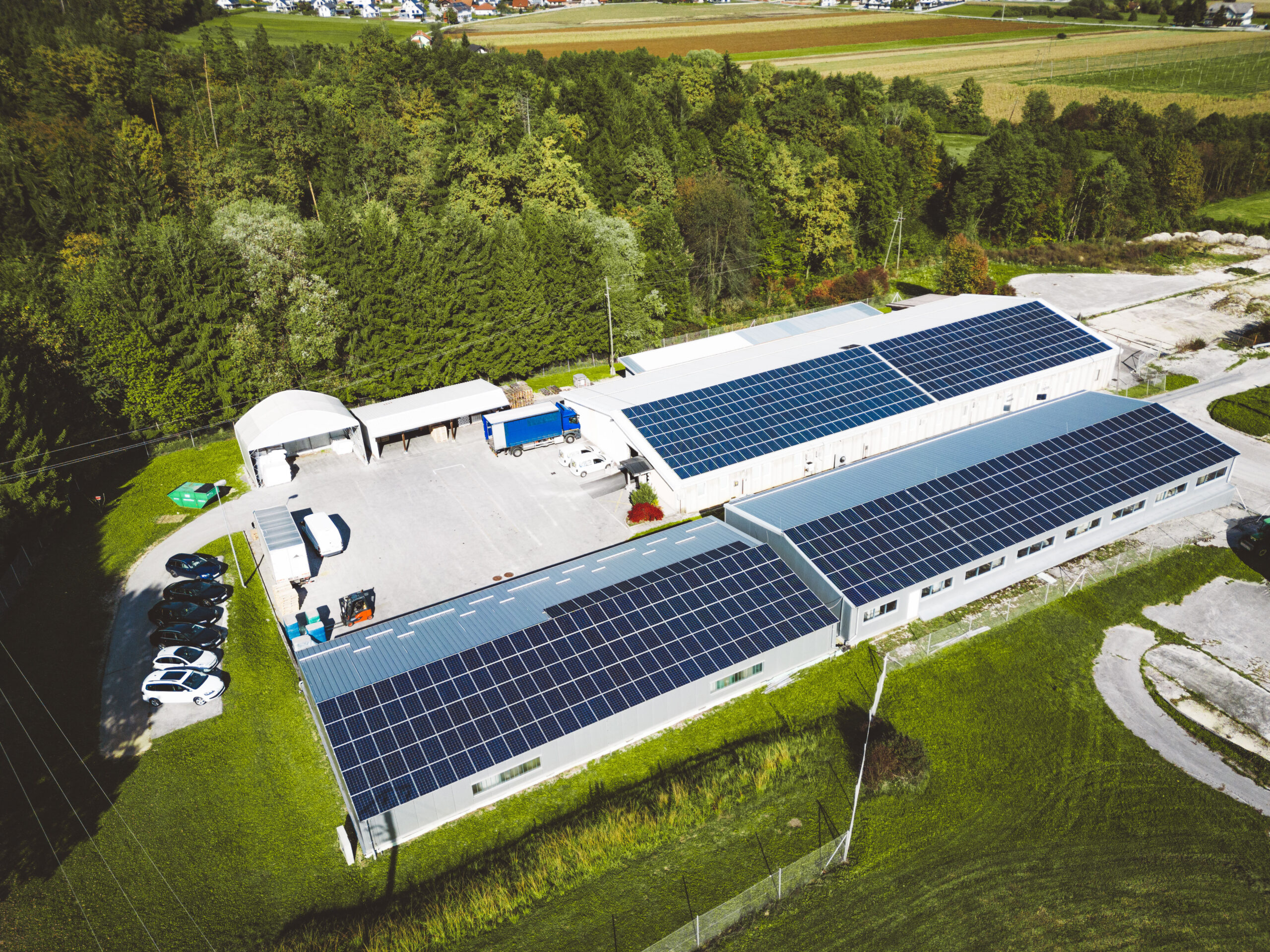
Installed commercial solar cost in Canada typically falls between $2.50 and $3.50 CAD per watt. A 50 kW system costs approximately $125,000–$175,000 before incentives, while a 250 kW system ranges from $625,000 to $875,000. Federal incentives, including the 30% Clean Technology Investment Tax Credit, reduce the upfront cost in the first year. The final cost of solar for a commercial property depends on your load profile, roof conditions, tax position, and financing structure.
- System scale Most commercial systems range from 50 kW to 500 kW or more, sized to offset a target portion of annual consumption.
- Federal tax savings CCA Class 43.2 allows a 100% write-off of eligible clean energy equipment, including solar panels, inverters, and mounting hardware, in the year of acquisition.
- HST recovery Businesses registered for GST/HST can claim a full Input Tax Credit, recovering installation tax costs through the next GST/HST return.
For a 100 kW system costing $300,000, combining HST recovery with the 100% CCA deduction can produce approximately $79,500 in immediate tax savings at a 26.5% combined corporate tax rate. The Accelerated Capital Cost Allowance then builds on those savings to reduce the net burden and shorten effective payback. Ontario businesses may also receive energy credits through net metering with their local distribution company, applying surplus generation against future bills.
| System size | Estimated cost (before incentives) | Typical payback | Annual bill reduction |
| 50 kW | $125,000–$175,000 CAD | 6–12 years | 40–80% |
| 100 kW | $250,000–$350,000 CAD | 5–7 years (with full incentives) | 40–80% |
| 250 kW | $625,000–$875,000 CAD | 6–12 years | 40–80% |
Building roof and load assessment
A rooftop’s apparent size does not determine its usable solar capacity. Research examining the solar PV potential in commercial buildings, covering 105 properties across shopping malls, hotels, offices, and hospitals, found that roof restrictions significantly affect usable area and PV output. Shading, HVAC equipment, and structural limits can all reduce the available space, making a detailed roof assessment essential before estimating the solar for a commercial property cost.
The building’s load profile matters just as much. System design and the available incentive structure depend on when the property draws power, not only on total annual consumption. Peak demand windows, overnight loads, and seasonal changes determine which configuration offers the strongest financial return for your operation.
Solar panels and long-term value
Most solar panels come with 25-year performance warranties, and a well-maintained system can operate for 40 years or more. That service life turns an upfront cost into a predictable reduction in operating expenses.
Commercial installation planning
A trusted solar company in Ontario coordinates design, approvals, construction, and commissioning.
- Consultation and energy audit Establishes actual consumption data, peak demand windows, and the share of load the system needs to offset.
- Custom system design Accounts for roof structure, shading, local grid connection requirements, and the client’s financing preferences.
- Permits and approvals Coordinates with the local distribution company and municipal authorities; net metering agreements are filed at this stage.
- Installation and commissioning Covers equipment placement, electrical integration, inspection, and activation, with documentation for federal incentive claims.
Clean energy equipment covered by federal incentives must be documented correctly at installation to unlock the full 30% Investment Tax Credit and 100% CCA deduction. Financing also affects ROI: a cash purchase generally produces the shortest payback, while low-interest financing can use monthly solar savings to service the debt and potentially leave a positive cash position from the first billing cycle.
Frequently asked questions
How do solar and battery storage reduce global adjustment charges in Ontario?
Global adjustment charges cover the gap between guaranteed generator rates and Ontario’s market electricity price. They can represent a significant share of commercial electricity bills. Solar panels reduce the amount of grid electricity your building uses, lowering the usage-based portion of the charge. A battery energy storage system adds another layer by shifting consumption away from peak demand periods, which can reduce demand charges that contribute substantially to the overall bill.
Depending on your setup, solar paired with storage gives you more control over when your business draws electricity from the grid. Net metering credits for surplus solar generation can also offset later grid consumption, helping reduce costs across each billing period.
What system size does a typical commercial building need?
The right fit when sizing a commercial solar system depends on annual electricity consumption, the building’s load profile, and usable roof area rather than a standard formula. Most commercial systems in Canada range from 50 kW to 500 kW. A warehouse or light-manufacturing facility with steady daytime loads can often offset 60 to 80 percent of consumption with a well-sized system, while an office building with evening and weekend demand may achieve a smaller offset with the same number of solar panels.
The exact match between solar output and when your building consumes electricity determines the result. A qualified site assessment should review shading, structural constraints, and peak demand timing before installation.
What federal incentives apply to commercial solar in Canada?
Canadian businesses can access several federal incentives that reduce the net cost of a commercial solar installation. The Clean Technology Investment Tax Credit covers 30% of eligible solar and battery storage costs. Under CCA Class 43.2, qualifying clean energy equipment—including solar panels, inverters, mounting hardware, and paired battery storage—can be written off in the year of acquisition, reducing taxable income immediately.
Businesses registered for GST/HST can recover the full tax paid on installation through an Input Tax Credit on their next return. For a 100 kW system at $300,000, those combined mechanisms can generate approximately $79,500 in first-year tax savings.