Solar panels produce DC electricity, and the inverter converts the DC electricity the panels generate into AC electricity your home and business use. The inverter serves as the engine of your solar power system, managing the conversion process and protecting equipment from overload. The ratio of DC power connected to an inverter versus the maximum AC power an inverter can safely produce (its inverter rating) is called the DC-to-AC ratio. For example, when a 12 kilowatts DC solar array connects to a 10 kilowatts AC rated inverter, your DC-to-AC ratio is 1.2 (12 kW ÷ 10 kW).
Since solar panels operate at lower power output under real-world conditions than under laboratory standard test conditions, reaching peak power rating does not occur regularly during normal operation. This makes it practical to oversize a solar array relative to your inverter’s capacity. Solar array oversizing means your DC panel capacity divided by the AC inverter rating exceeds one. When you oversize your solar system this way, you achieve greater energy harvest when production falls below the inverter’s rating—which typically happens for most of the day.
However, when your solar panel array produces power at levels higher than the inverter’s rated capacity, the excess energy is clipped by the inverter. This inverter clipping ensures your equipment operates within safe design limits but results in lost energy production during peak hours. The central design challenge is balancing the DC power your solar array will produce against the maximum AC power your inverter can safely output while optimizing annual energy generation.
The maximum practical oversizing ratio depends on how many strings connect to your inverter, each string’s size, inverter efficiency rating, and environmental factors affecting panel operating temperature—including shading, roof mounting type, and elevation. In Ontario, where shading from trees and building structures significantly impacts solar panel performance, these design factors are critical to achieving your target oversizing strategy.
The economical limit of oversizing varies by location and project goals, but most installations aim to optimize the levelized cost of energy—the average cost per unit of energy produced over your system’s 25-year lifetime. ABB, a leading inverter manufacturer, conducted comprehensive studies establishing safe DC-to-AC ratio limits. ABB research found that optimal oversizing depends on your design priority. For instance, sizing a solar system to maximize specific yield (kilowatt-hours per kilowatt installed) allows for an ideal DC-to-AC ratio at or slightly below 1.2. However, sizing your solar system to target superior financial output could lead to higher DC-to-AC ratios between 1.3 and 1.6. These findings demonstrate that oversizing your solar array can be economically advantageous when designed strategically for your specific property.
A larger solar panel array on a fixed-size inverter generates greater annual energy production and system power output. However, your fixed installation costs—permitting, grid interconnection, and labor—remain constant regardless of whether you add extra panels. This cost structure shifts the financial advantage toward higher DC-to-AC ratios: spreading fixed costs across more kilowatts of panel capacity improves your system payback period and maximizes lifetime energy savings.
Choosing the right inverter size for your oversized solar system
Designing your solar power system requires matching inverter capacity to your panel array size and energy goals. Recent research confirms that strategic oversizing can boost financial returns without requiring additional grid connections—especially valuable in areas with constrained grid capacity. When you select an inverter for your solar array, you must decide whether to prioritize maximum energy harvest (lower DC-to-AC ratios near 1.2) or optimize financial performance (higher ratios between 1.3 and 1.6).
Your design choice affects how and when inverter clipping occurs during peak production hours. An experienced solar installer evaluates these trade-offs by modeling your specific roof angle, orientation, local weather patterns, and utility rate structure. This analysis ensures your chosen inverter size and panel configuration deliver maximum value for Ontario’s climate and your financial situation. To learn more about how different system types support your energy goals, explore residential solar system benefits for homeowners or commercial solar solutions in Toronto for businesses.
How solar panels perform in real-world conditions and undersizing risks
Solar panels produce lower power output in real-world conditions than under laboratory standard test conditions. Temperature, angle of incidence, and atmospheric clarity all affect actual panel power production. When you oversize your solar array, you compensate for these real-world losses by harvesting more usable energy throughout the day—particularly during morning, evening, and cloudy periods when inverter clipping doesn’t limit your energy generation.
The total number of solar panels you install determines your array’s total DC capacity measured in kilowatts. When your solar panel array capacity exceeds your inverter’s AC rating, you benefit from higher production during non-peak hours and cloudy conditions. Understanding this relationship helps you avoid undersizing your system, which would leave significant energy production potential and financial returns unrealized.
Designing your solar array with optimal oversizing strategy
Designing your solar system with strategic oversizing requires evaluating your roof space, shading patterns, local climate, and target oversizing ratio. Your roof orientation, nearby structures, and vegetation all influence the optimal DC-to-AC ratio for your solar panel installation. In Toronto and Ontario, winter shading is significant—proper modeling ensures your oversized array produces maximum winter energy when heating demand and energy costs peak.
Work with your solar installer to model different DC-to-AC ratios for your specific roof layout and shading profile. Professional simulation software forecasts annual energy production, inverter clipping patterns, and financial performance across multiple oversizing scenarios. This data-driven approach removes guesswork—you see exactly how each inverter size and panel configuration performs before installation. Quality installers can also help you evaluate choosing solar panels for efficiency and durability to optimize your array’s long-term performance.
Monitoring your inverter and solar system performance
Once your solar system is installed, real-time monitoring reveals whether your oversizing strategy delivers expected energy results. You track power production and inverter clipping patterns by hour, day, and season. When you observe inverter clipping during peak afternoon hours, your data confirms the system is performing exactly as designed—maximizing annual energy capture through strategic oversizing.
Advanced monitoring platforms provide panel-level performance visibility across your entire solar array. This granular data helps you identify underperforming panels or developing shading issues that could reduce energy generation. Early detection enables timely maintenance, ensuring your oversized panel array continues operating at peak efficiency and delivering maximum kilowatt-hour production over time.
Battery-ready solar systems and energy storage integration
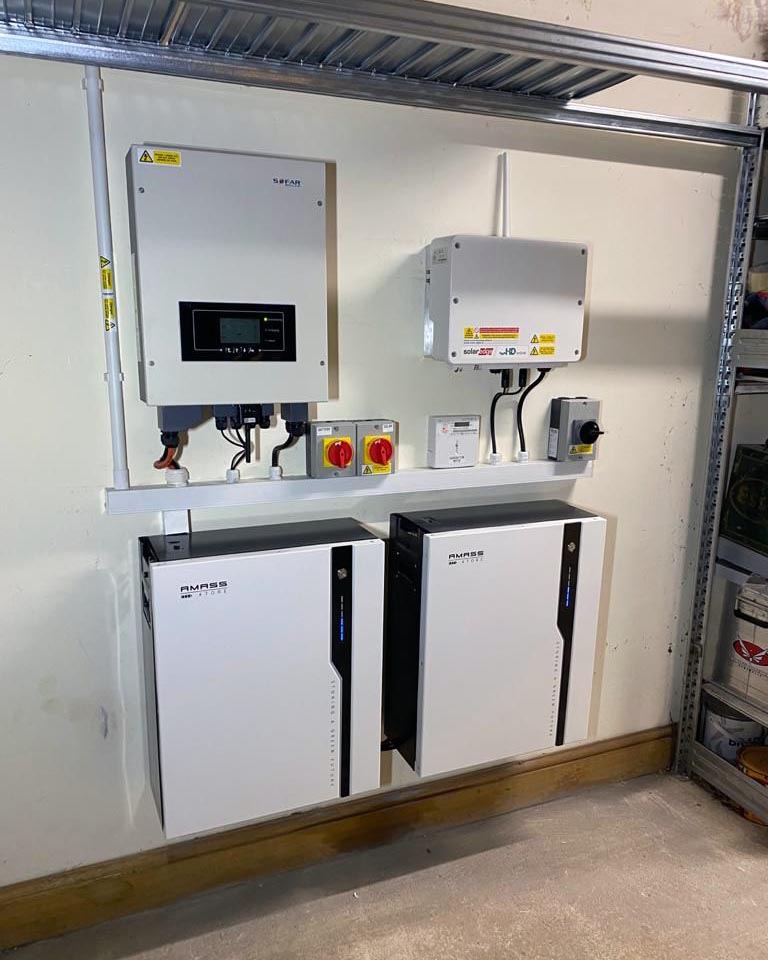
If you’re planning battery storage to maximize energy independence, designing a battery-ready solar system during initial installation makes financial sense. An oversized solar array pairs naturally with battery storage because it generates excess power during peak production hours—power that would normally be clipped—and stores it for evening use. Selecting a hybrid inverter with battery integration capability during initial design means avoiding costly system redesigns later.
Battery storage allows you to shift energy consumption patterns away from peak utility rate hours. Your solar system generates abundant power during peak afternoon production, and your battery stores this energy. By using stored solar energy during expensive evening peak-rate periods instead of drawing from the grid, you dramatically increase your energy savings and improve your system payback period.
Selecting the best inverter type for solar array capacity and clipping management
Different inverter types handle oversized solar arrays differently, affecting clipping behavior and system flexibility. Your choice depends on roof complexity, shading patterns, and whether you plan battery storage. String inverters work well on simple, unshaded roofs and offer economical entry points for residential oversizing. String inverters with power optimizers provide panel-level monitoring and reduce shading impact across your entire solar array. Microinverters offer maximum flexibility for complex multi-orientation roofs and can optimize each panel independently. Hybrid inverters integrate solar generation, battery storage, and grid power—making them ideal if you’re planning battery backup alongside your oversized solar system.
Each inverter type handles clipping differently. Hybrid inverters can divert clipped power to charge batteries instead of losing it. Microinverters limit clipping to individual panels. String inverters with optimizers reduce array-wide clipping impact. Understanding these differences helps you select the inverter type and configuration that best matches your oversizing strategy and long-term energy independence goals. For advanced system design support, consider using the Fronius solar configurator tool to model different equipment combinations.
Frequently Asked Questions
What is the optimal DC-to-AC ratio for residential solar systems?
The optimal DC-to-AC ratio depends on your design priority. For maximizing energy generation at all daylight hours, aim for a ratio of 1.2 or lower. For optimizing financial returns, ratios between 1.3 and 1.6 typically yield better ROI because you maximize annual energy production while spreading fixed installation costs across more solar panels. Most installers recommend staying below 1.6 for residential systems to avoid excessive inverter clipping losses. Work with your solar designer to model both scenarios using your specific roof layout, Ontario winter shading patterns, and local utility rates to determine which ratio optimizes your system payback and energy savings.
How does inverter clipping affect my energy savings?
Inverter clipping limits excess power when your solar array output exceeds the inverter’s rated capacity. While clipping causes energy losses during peak afternoon hours, an oversized solar panel array compensates by producing significantly more energy during morning, evening, and cloudy periods when clipping doesn’t occur. Research shows that strategic oversizing typically increases total annual energy production by 10–20%, even accounting for peak-hour clipping losses. The net result: greater energy savings compared to a non-oversized system design. Your monitoring system will show when clipping occurs, confirming your oversizing strategy is working as planned and delivering expected financial benefits.
Can I oversize my solar panel system too much?
Yes—excessive oversizing leads to unacceptable energy losses and poor financial returns. Most industry research recommends keeping your DC-to-AC ratio below 1.6 for residential solar systems. Above this threshold, inverter clipping losses become too severe to justify the additional panel cost. Your inverter’s number of available string inputs, string configuration options, and Ontario’s local climate all influence your practical oversizing limit. An experienced solar system designer will calculate the maximum economical ratio for your property by modeling your roof orientation, shading patterns, and energy needs. This ensures you achieve maximum energy production without oversizing to the point of diminishing financial returns.