An inverter is the most critical component of a solar power system. A grid-tie inverter performs many functions than any other component in a solar power system. The functions an inverter need to perform continue to grow as the solar power systems get smarter and increase interaction with the utility grid.
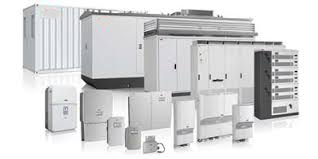
Here the key functions a grid-tied inverter perform
Power conversion from AC – DC
The main function of an inverter is power conversion – convert the direct current (DC) power that solar panels generate to alternating current (AC) power that is normally used in homes and businesses or fed directly into the grid in case of a utility-scale solar power system.
Maximize power generation
Inverters continuously track the solar array’s voltage, current and identify an operation point to generate the maximum power from the solar array.
Interface with the grid
Grid-tied inverters have advanced from one-way communication to two-way communication with the grid and assist with grid-support functions. With advanced software, smart grid-tied inverters can perform grid-supportive functions related to voltage, frequency, communications, and controls.
Monitor the function of the solar power system
Inverters make it possible for solar owners to keep track of the power output of their solar systems. Most inverters have communications capabilities via hardwired ethernet, Bluetooth or Wi-Fi. Through this communication connectivity data stored in the inverter is uploaded to a monitoring portal which in turn enables solar power system owner, installers to monitor the performance of the solar power system and take appropriate actions proactively.
Ensure safe system operation
An electrical arc can cause fire hazard and material degradation. Grid-tie inverters are programmed to identify these arcs and shut down the inverter to enable safe operation.
Inverters are made up of many electronic components and perform numerous tasks, they are more likely to fail than other components of a PV system. Micro. string and central inverters come with different pros and cons, but string inverters are more easily serviceable when a failure happens.
If you are thinking of what kind of inverter to use with your solar power system and how much it would cost complete the Free solar Assessment request at our website or give us a call at 416-855-9377 we will guide you every step of the way.
We provide solar plus storage hybrid energy solutions across Ontario including Toronto, Markham, Mississauga, Burlington, Oakville, Brampton, Vaughan, Ajax, Pickering, Whitby, Oshawa, Caledon, Stouffville, Richmond Hill, Newmarket, Aurora, Milton, Georgetown, and the Greater Toronto Area (GTA).